Hearing Health, Dementia, and the New WHO Guidelines: What It All Means for You

Hearing Health, Dementia, and the New WHO Guidelines: What It All Means for You
It often begins quietly. Maybe you’re asking your grandkids to repeat themselves more often or leaving a family dinner feeling drained, not from the company but from the sheer effort of keeping up.
While these moments can feel like a natural part of getting older, they may also be early signs of hearing loss challenges that are worth paying attention to.
September is World Alzheimer’s Month, a time to raise awareness of dementia and the steps we can take to support cognitive health. This year, the conversation is particularly relevant to hearing, as the World Health Organization (WHO) has formally recognized hearing aids, where clinically appropriate, as a key intervention within a broader strategy to reduce dementia risk.
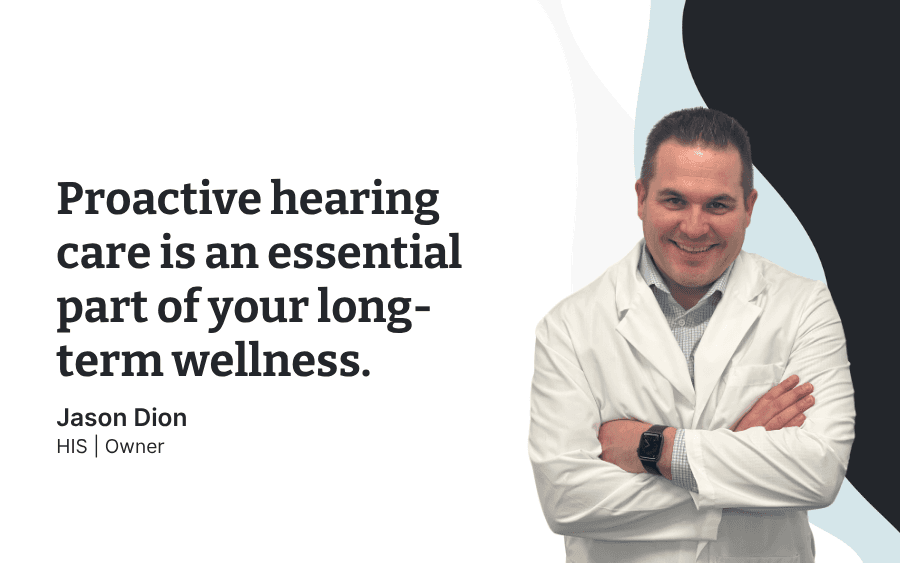
This is an important development that reinforces the value of looking after your hearing as part of a proactive approach to your long-term health and well-being.
Understanding the Brain-Hearing Connection
Think of your brain like a computer with a limited amount of processing power available at any one time. When hearing becomes more challenging, your brain may need to devote more resources to decoding sounds and filling in the gaps, leaving fewer resources available for other tasks.
Over time, this constant extra demand can become mentally tiring and place greater strain on your cognitive resources; this is known as an increased cognitive load.
When conversations become harder to follow, you may start stepping back from family gatherings or meeting up with friends. Over time, this can contribute to social isolation, which is another known risk factor for dementia.
The good news is that addressing your hearing health early can help you stay connected to the people around you while supporting your overall cognitive well-being.
The New WHO Guidelines Explained
The updated WHO guidelines reinforce the importance of addressing hearing loss challenges as part of a broader approach to reducing dementia risk. They recommend hearing aids as a key intervention where clinically appropriate, alongside regular hearing checks for older adults.
This highlights hearing care as one practical step that can be incorporated into a wider approach to supporting brain health and overall well-being as we age.
This doesn’t mean that hearing aids are a cure for Alzheimer’s disease or that using them will prevent cognitive decline. Dementia has many contributing risk factors, and no single intervention is guaranteed to prevent it. The aim is to reduce overall risk where possible, while making it easier to stay socially connected and maintain quality of life.
Your Next Step
Taking charge of your hearing starts with understanding your hearing health. A comprehensive hearing assessment is a comfortable, straightforward way to find out how well you hear and identify any changes that may be affecting your everyday life.
During your assessment, your hearing care professional will take the time to understand more about your hearing, including the situations you find challenging and how your hearing may be affecting your daily life. You’ll then have the opportunity to discuss the findings and ask any questions.
From there, you can explore the options that best suit your needs and lifestyle, whether that means advanced hearing aid technology, practical communication strategies, or simply monitoring your hearing over time.
Contact the team at Dion Hearing Centre today to schedule an appointment or request a callback.
Frequently Asked Questions (FAQs)
Q: What are the early signs that I should have my hearing checked?
A: You may notice that following conversations has become more difficult, particularly in noisy environments, or find yourself turning up the television and asking people to repeat themselves more often.
Some people describe speech as sounding muffled or as though others are mumbling, while others notice that social situations leave them feeling more mentally tired than they used to. Since hearing changes often develop gradually, a professional assessment can help identify difficulties that may not be obvious to you yet.
Q: Should I have an assessment if my hearing difficulties are only mild?
A: Yes. Even mild hearing difficulties can make it harder for your brain to follow speech, particularly in noisy or busy environments where you may need to concentrate more to fill in what you’ve missed.
A hearing assessment can help identify subtle changes that might otherwise go unnoticed, while providing a useful baseline for tracking your hearing over time and understanding whether treatment, communication strategies, or ongoing monitoring could benefit you.
Q: How often should older adults have their hearing checked?
A: Regular hearing checks can help identify changes before they begin to interfere significantly with communication and everyday life. How often you should be assessed will depend on your hearing, age, health, and exposure to noise. Your hearing care professional can recommend an appropriate schedule based on your individual circumstances.
Sources:
· WHO Updates Dementia Prevention Guidelines
· Risk reduction of cognitive decline and dementia: WHO guidelines